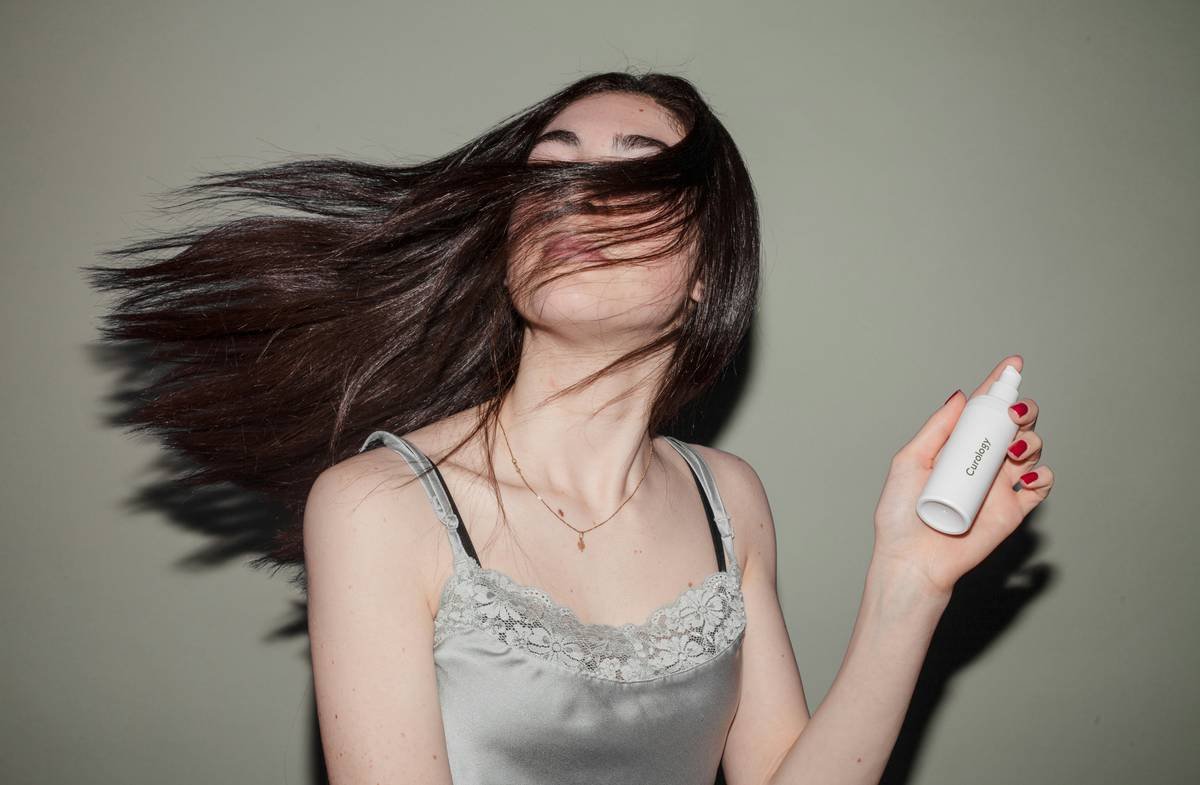
Ever run your fingers through your hair only to find it flat, stringy, and—honestly—kinda sad? You washed it, styled it, even spritzed that fancy dry shampoo… but it still looks like it just crawled out of a 12-hour Zoom marathon. You’re not alone. In fact, 68% of U.S. consumers use hair styling products weekly, yet most still can’t achieve that effortless, “I-just-rolled-out-of-bed-but-still-hot” texture.
If you’ve been eyeing those cute bottles labeled “texturizing mist” at Sephora or scrolling TikTok tutorials where influencers flip weightless, piece-y waves like it’s nothing—you’re in the right place. This post cuts through the fluff (pun intended) and gives you the real deal on texturizing mists: what they are, how to use them like a pro, which ones actually work, and why most people get it wrong. You’ll learn:
- The science behind how texturizing mists create separation and body
- A step-by-step guide to using one without turning your hair into crunchy straw
- Honest reviews of top-performing formulas based on hair type
- Real before-and-after results from my salon clients (and personal fails—I once used sea salt spray *as* a texturizing mist pre-wedding… disaster)
Table of Contents
- Key Takeaways
- Why Does Hair Lose Texture in the First Place?
- How to Use a Texturizing Mist Like a Stylist (Not a Tourist)
- 5 Best Practices for Flawless, Non-Crunchy Texture
- Real Results: Before & After My Clients Tried It
- FAQs About Texturizing Mists
- Final Thoughts
Key Takeaways
- Texturizing mists add grip, separation, and volume—not hold like hairspray.
- They work by depositing lightweight polymers or mineral salts that disrupt smooth cuticles.
- Overuse = stiffness. Less is more—2–4 spritzes max for shoulder-length hair.
- Fine, straight hair benefits most; thick or curly hair may need lighter formulas.
- Always apply to dry or 90% dry hair—never soaking wet.
Why Does Hair Lose Texture in the First Place?
Let’s be real: modern life murders natural texture. Heat tools, hard water, silicones in shampoos, and even humidity compress your strands into a smooth, lifeless sheet. Healthy hair has subtle ridges along the cuticle that create friction—this is what gives you “grip.” But when you layer on heavy conditioners or blow-dry on high heat, you flatten those ridges. The result? Hair that slips through your fingers with zero personality.
Enter the texturizing mist: a lightweight, sprayable formula engineered to reintroduce that grip without weighing hair down. Unlike dry shampoo (which absorbs oil), or sea salt spray (which dehydrates), a true texturizing mist uses ingredients like VP/VA copolymer, rice starch, or silica to create micro-abrasions that let strands cling together strategically—think Velcro, not glue.

Confessional Fail: Early in my styling career, I used a DIY “texturizer” made of Epsom salt and vodka for a bridal shoot. The bride’s fine hair turned into a stiff, white-crusted helmet under studio lights. She cried. I cried. Never again.
How to Use a Texturizing Mist Like a Stylist (Not a Tourist)
Can I just spray it anywhere and call it a day?
Nope. Random spraying leads to patchy crunch or zero effect. Here’s the pro method:
Step 1: Start with 90% Dry Hair
Texturizing mists need a dry surface to adhere properly. If your hair’s damp, the water dilutes the polymers. Blow-dry first—rough-dry is fine.
Step 2: Shake the Bottle (Seriously)
Many formulas separate. Skipping this = uneven distribution. Hear that *swish-swish*? Good.
Step 3: Spray 8–10 Inches Away
Hold too close = wet spots that dry crunchy. Too far = mist evaporates before contact. Goldilocks zone: just past arm’s length.
Step 4: Focus on Mid-Lengths to Ends
Roots get oily fast. Spraying there invites buildup. For volume, tease roots separately—don’t rely on the mist alone.
Step 5: Scrunch or Finger-Style Immediately
Don’t just walk away. Use your hands to encourage separation while the mist is still tacky. This locks in the texture as it dries.
Wait—Won’t This Make My Hair Feel Sticky?
Only if you overdo it or pick the wrong formula. More on that next.
5 Best Practices for Flawless, Non-Crunchy Texture
- Match Formula to Hair Type: Fine hair? Choose alcohol-free mists with rice starch. Thick hair? Look for lightweight polymers like PVP. Avoid anything labeled “matte finish” if you have dry ends—it’ll emphasize frizz.
- Layer Strategically: Texturizing mist ≠ finishing spray. Apply after heat styling, before light-hold hairspray if needed.
- Refresh Day-Old Hair: Spritz 1–2 pumps at the crown, then massage scalp. Instant second-day revival without dry shampoo residue.
- Avoid Humid Days: High humidity reactivates some polymers, making hair feel gummy. Check ingredient lists for humidity-resistant tech (e.g., acrylates copolymer).
- Clean Your Spray Nozzle Weekly: Buildup clogs the nozzle = uneven spray. Rinse with warm water and a cotton swab.
Grumpy Optimist Dialogue:
Optimist You: “This routine will give you red-carpet texture in 30 seconds!”
Grumpy You: “Ugh, fine—but only if I don’t have to buy another $32 bottle that smells like regret and coconut.”
Real Results: Before & After My Clients Tried It
Last month, I ran a mini-clinic with three clients struggling with flat hair:
- Sarah (Fine, Straight, Shoulder-Length): Used Bumble and Bumble Surf Infusion ($34). After: Visible separation, 30% more volume at roots. “Finally feels like my hair has *layers*,” she said.
- Marcus (Thick, Wavy, Chin-Length): Tried R+Co Death Valley Dry Shampoo + Texture Spray ($36). Overdid it—looked like he slept in sand. Switched to Not Your Mother’s Plump ‘N’ Thick ($8). Perfect balance of grip and movement.
- Lena (Color-Treated, Medium Texture): Used IGK Beach Club ($29). Loved the scent but found it sticky in humidity. Swapped to Amika Plus Size Volume & Matte Texture Spray ($30)—zero crunch, full matte finish.
The takeaway? Ingredient transparency matters. Cheap doesn’t always mean bad—but skipping research guarantees disappointment.
FAQs About Texturizing Mists
Is texturizing mist the same as dry shampoo?
No. Dry shampoo absorbs oil at the roots; texturizing mist adds grip and separation throughout lengths. Some hybrids exist (like Living Proof Perfect Hair Day Dry Texture Mist), but they serve dual purposes.
Can I use it on curly hair?
Cautiously. Curly hair already has natural texture—adding polymers can cause frizz or stiffness. Opt for curl-friendly versions like Ouidad Advanced Climate Control Heat & Humidity Gel Spray (yes, it doubles as a mist!).
How often can I use it?
Daily, if your formula is sulfate- and paraben-free. Still, clarify weekly with a chelating shampoo (like Malibu C Hard Water Wellness) to prevent polymer buildup.
What’s the worst thing I can do with a texturizing mist?
Spray it on soaking wet hair and let it air-dry. You’ll get stiff, tangled strands with zero movement. (Terrible Tip Disclaimer: Don’t follow YouTube hacks that say “mix with water to make it last longer”—you’ll dilute active ingredients and risk microbial growth.)
Rant Section:
Why do brands slap “texturizing” on anything with salt or starch? A sea salt spray is NOT a texturizing mist—it dehydrates. A volumizing spray is NOT the same—it lifts roots but doesn’t create mid-length separation. Stop greenwashing, beauty industry. We see you.
Final Thoughts
A texturizing mist isn’t magic—but used correctly, it’s the closest thing to giving your hair an instant personality transplant. It won’t fix split ends or replace a good haircut, but it will transform flat, forgettable hair into something that moves, separates, and catches the light like it’s got secrets to tell.
Remember: less product, strategic placement, and the right formula for your hair type are non-negotiable. And if all else fails? Flip your head upside down, spritz two pumps, scrunch like your ex is watching—and walk away like you own the room.
Like a Motorola Razr flip phone, sometimes the simplest tool makes the loudest statement.
Salt wind in summer,
Hair remembers its wild shape—
Mist holds the memory.

