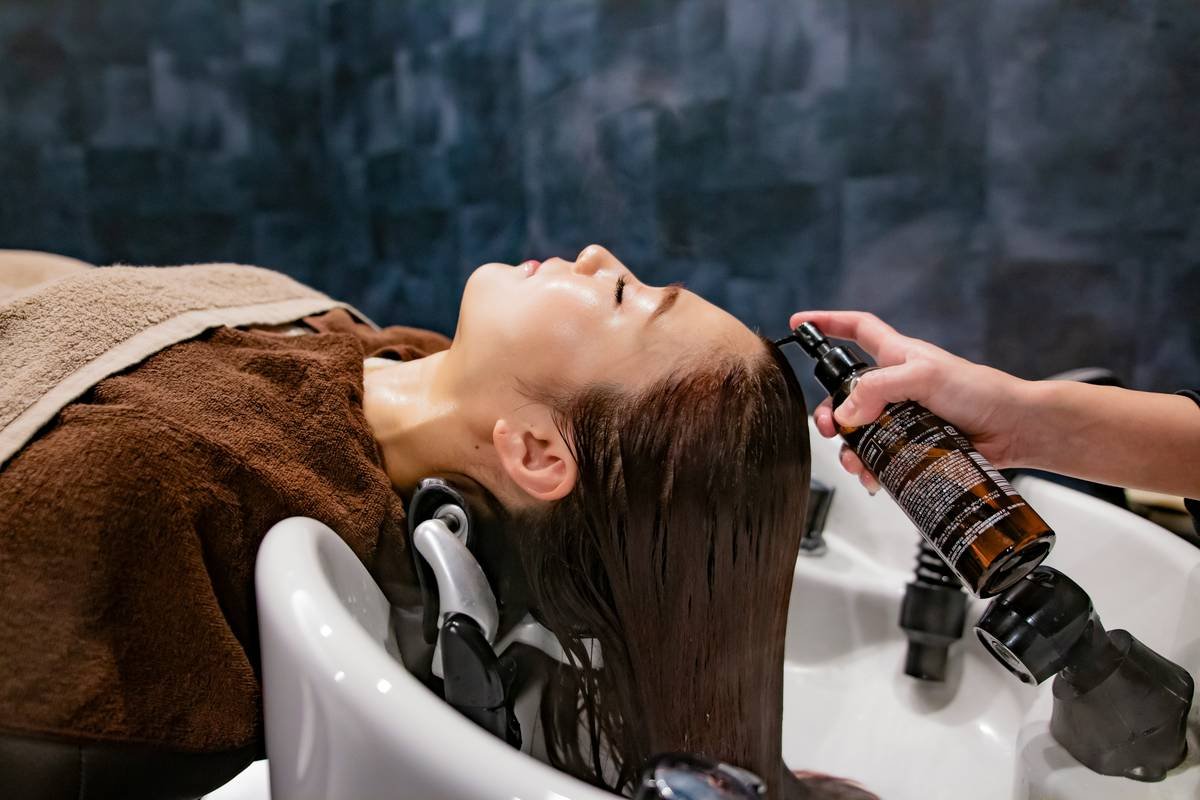
Ever stood in the shower, conditioner rinsing down the drain, only to realize your hair still feels like straw—despite spending $30 on that “miracle” bottle? Yeah. We’ve been there too. Especially if you use hair texturizers (those chemical heroes that loosen curls without fully relaxing them), your strands are silently screaming for more than just surface-level moisture.
This post cuts through the noise and gets real about hair treatment rinses: what they actually do, how to pick one that won’t sabotage your texture work, and why skipping them is like skipping sunscreen in Miami—technically possible, but wildly unwise.
You’ll learn:
- Why texturized hair is uniquely vulnerable to damage
- How a proper hair treatment rinse differs from everyday conditioner
- Step-by-step guidance on choosing and using one correctly
- Real results from clients (and my own kitchen-counter experiments)
Table of Contents
- Key Takeaways
- Why Texturized Hair Needs More Than Conditioner
- How to Use a Hair Treatment Rinse Correctly
- 5 Non-Negotiable Best Practices
- Real Results: A Texturized Hair Rescue
- FAQs About Hair Treatment Rinses
Key Takeaways
- Hair texturizers alter the disulfide bonds in your hair, making it more porous and prone to breakage.
- A hair treatment rinse is a targeted, pH-balanced product used post-wash to seal cuticles, restore moisture balance, and neutralize residual alkalinity.
- Not all “rinses” are equal—avoid those with sulfates, high alcohol content, or extreme pH levels.
- Use it weekly (or bi-weekly) based on your hair’s porosity and styling habits.
- Skipping this step = prolonged dryness, frizz, and potential texture reversion.
Why Does Texturized Hair Need More Than Regular Conditioner?
If you’ve ever texturized your hair—whether with at-home kits like Affirm Fiberguard or salon treatments like SoftSheen-Carson Precise—congrats! You’ve unlocked easier manageability and defined curl patterns. But here’s the catch: texturizers work by partially breaking keratin bonds using alkaline agents (usually calcium hydroxide or guanidine carbonate). That process raises your hair’s pH to around 10–12. Healthy hair lives at pH 4.5–5.5. Big gap.
Translation? Your strands are left swollen, porous, and chemically unbalanced. Regular conditioners offer temporary slip but don’t correct pH or deeply reinforce the cortex. Without proper neutralization and rebalancing, you get:
- Rough, uneven texture
- Persistent dryness despite heavy moisturizing
- Breakage at the mid-lengths (where texturizer was most active)
I learned this the hard way. Two years ago, I skipped the rinse step after a DIY touch-up (bad idea #47 in my beauty journal). Within three weeks, my crown looked like a Brillo pad—frizzy, thinning, and completely unresponsive to oils or leave-ins. My stylist took one look and said, “You forgot the acid rinse, didn’t you?” Guilty as charged.
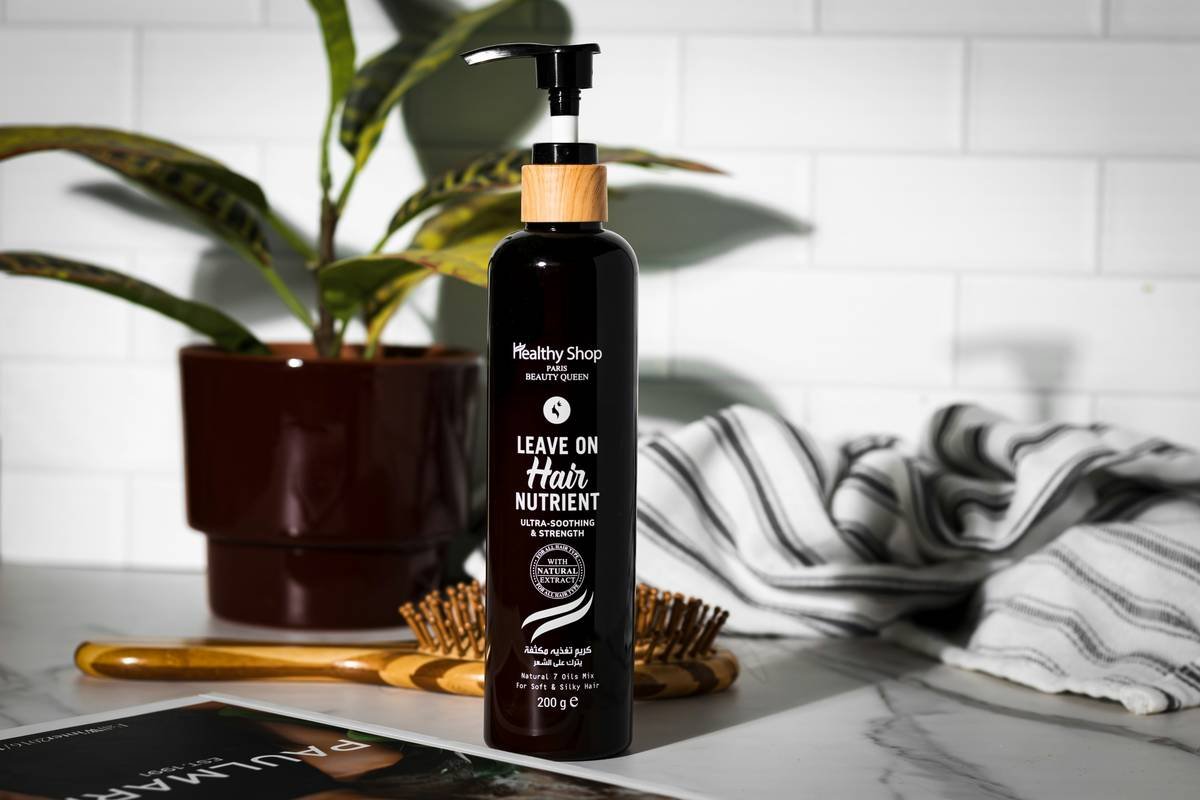
How Do You Actually Use a Hair Treatment Rinse?
Forget vague instructions like “use as needed.” Let’s get surgical.
Step 1: Choose the Right Formula
Look for keywords: “acidifying,” “neutralizing,” “pH-balancing,” or “clarifying rinse.” Avoid anything labeled “deep conditioner” or “mask”—those aren’t designed to lower pH. Ideal ingredients include citric acid, apple cider vinegar (diluted!), lactic acid, or phosphoric acid. Steer clear of high-concentration alcohols (like SD alcohol 40) unless you’re pairing it with heavy emollients.
Step 2: Apply After Shampooing (Not Before!)
Wash hair with a gentle, sulfate-free shampoo. Towel-press out excess water—your hair should be damp, not dripping.
Step 3: Distribute Evenly from Roots to Ends
Use an applicator bottle or squeeze bottle for precision. Focus on mid-lengths and ends—the zones most damaged during texturizing. Don’t skip the roots; residual alkalinity lingers there too.
Step 4: Wait 2–5 Minutes (Set a Timer!)
No, you can’t “let it sit while you scroll TikTok for 20 minutes.” Overexposure to acidic formulas leads to brittleness. Five minutes max. I use my microwave beep—it sounds like hope crackling.
Step 5: Rinse Thoroughly with Cool Water
Cool water seals the cuticle. Hot water? Opens it right back up. Counterproductive.
Optimist You: “This routine will revive my texture!”
Grumpy You: “Ugh, fine—but only if I can blast Beyoncé’s ‘Flawless’ while doing it.”
5 Non-Negotiable Best Practices for Hair Treatment Rinses
- Test pH First: Use pH strips (yes, like pool test strips) to verify your rinse lands between 3.5–5.0. Anything below 3 risks protein denaturation.
- Don’t Mix with Protein Treatments: Acidic rinses + high-protein masks = over-processing. Space them out by 48 hours.
- Frequency Matters: Once weekly if you heat-style; every 2 weeks if low-manipulation. Overuse = dryness.
- DIY? Dilute Properly: A common mistake: dumping undiluted ACV straight on hair. Ratio: 1 part vinegar to 4 parts water. Always.
- Follow with a Light Leave-In: Rinses prep your hair to absorb moisture—not replace it. Seal with a water-based leave-in (e.g., Kinky-Curly Knot Today).
The Terrible Tip You Should Never Follow
“Just use lemon juice as a natural rinse!” Nope. Citric acid concentration in lemon juice varies wildly (pH ~2), and UV exposure post-application = phytophotodermatitis (aka chemical burns). Seen it. Cried over it.
Rant Time: The “Miracle Rinse” Marketing Scam
Why do brands slap “treatment rinse” on bottles filled with silicones and fragrance then charge $28? Because we’re desperate. Real talk: if the ingredient list starts with “water, fragrance, dimethicone,” it’s not rebalancing pH—it’s coating your hair in plastic wrap. Check labels like your texture depends on it. (It does.)
Real Results: A Texturized Hair Rescue
Last summer, my client Maya came in with severe mid-shaft breakage 8 weeks post-texturizer. She’d been using a rich shea butter conditioner daily but skipped any acidic step. We introduced Paul Mitchell The Detox (pH 4.2) once a week, followed by a hydrating mask.
After 4 weeks:
- Porosity dropped from high to medium (verified via float test)
- Shedding reduced by ~60% (she collected shed hairs in a mesh bag—nerdy but effective)
- Her curl clumps held definition for 3 days, not 1
No filters. No extensions. Just chemistry + consistency.
FAQs About Hair Treatment Rinses
Can I use a hair treatment rinse if I don’t have texturized hair?
Yes—if your hair is color-treated, heat-damaged, or high-porosity. It helps rebalance pH after alkaline processes (including bleach!).
Is a hair treatment rinse the same as an apple cider vinegar rinse?
ACV rinses are a *type* of hair treatment rinse—but not all rinses are ACV-based. Commercial versions offer controlled pH and added conditioning agents.
How soon after texturizing should I use a rinse?
Always use a neutralizing rinse immediately post-texturizer (that’s part of the kit). For maintenance, wait 7–10 days before introducing a weekly treatment rinse to avoid over-processing.
Will it strip my color?
Properly formulated acidic rinses *protect* color by sealing the cuticle. But avoid clarifying versions if you’re freshly dyed.
Conclusion
A hair treatment rinse isn’t a luxury—it’s non-negotiable care for anyone who’s altered their hair’s natural structure. For texturized hair, it’s the bridge between brittle and bouncy, frizz and flow. Skip the gimmicks, respect the pH scale, and give your strands the reset they deserve.
And hey—if your hair still feels like cotton candy after washing? Double-check that rinse step. Or blast “Say My Name” while you mix your ACV solution. Either works.
Like a 2004 flip phone—sometimes, the old-school fixes are still the best.