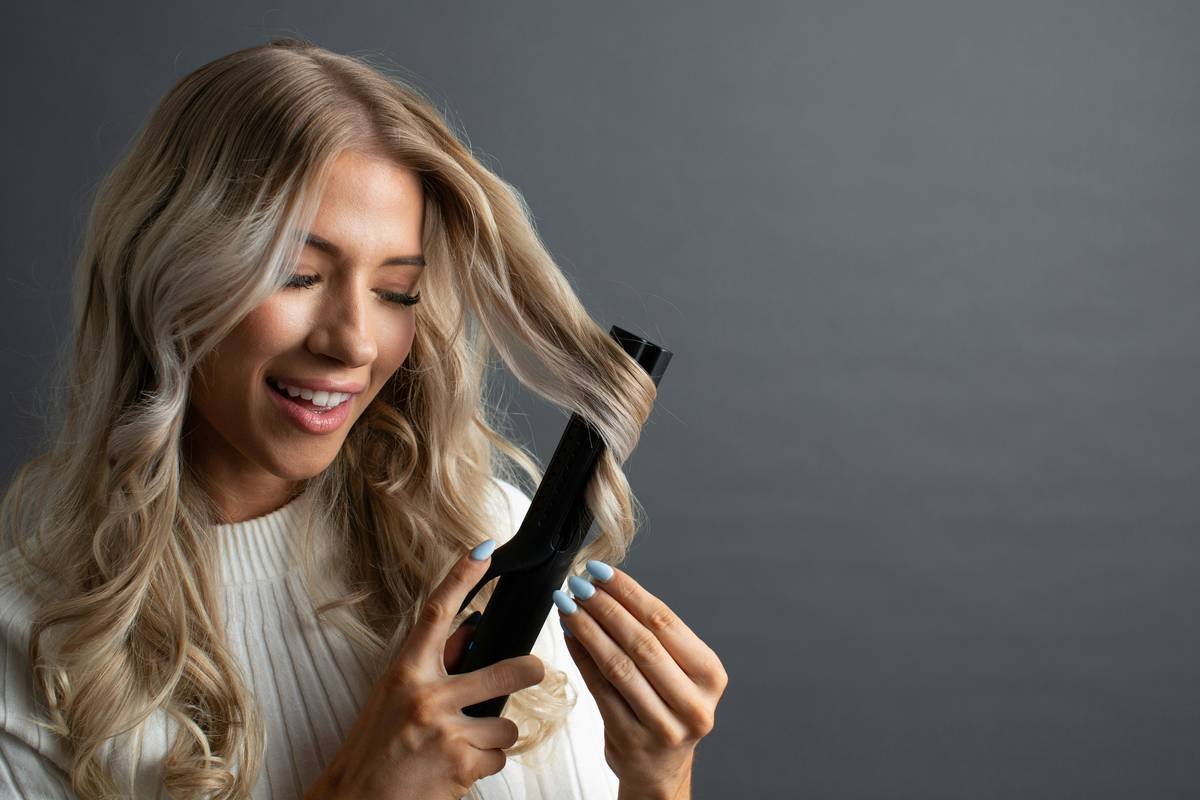
Does your hair cling to your scalp like it’s auditioning for a wet-look commercial—even when it’s bone dry? You’re not alone. Millions struggle with limp, lifeless locks that refuse to hold body or bounce. If you’ve ever stood in front of the mirror, teasing strands with bobby pins and desperation, this guide is your rescue mission. We’ll cut through the fluff and deliver seven actionable, expert-backed strategies to transform flat hair into full, vibrant volume—without frying your strands or wasting money on gimmicks. From choosing the right hair volume booster to sidestepping salon-worthy mistakes at home, we’ve tested it all (sometimes painfully).
Table of Contents
- Why Flat Hair Happens—and Why It Hurts More Than You Think
- Step-by-Step: How to Use a Hair Volume Booster Like a Pro
- 5 Best Practices for Long-Lasting Lift
- Real Results: What Works (and What Flops)
- Hair Volume FAQs Answered
Key Takeaways
- Over-washing and heavy silicones are silent killers of natural volume.
- A quality hair volume booster works best on damp—not soaking—hair.
- Root-lifting techniques beat heat styling alone for sustainable body.
- Texture-enhancing products should complement, not replace, healthy hair habits.
- Consistency beats intensity: gentle daily care yields better results than weekly “rescues.”
Why Flat Hair Happens—and Why It Hurts More Than You Think
Flat hair isn’t just a cosmetic annoyance—it can dent confidence, especially when you’ve invested in cuts or color meant to shine with movement. In the beauty world, volume signals vitality. Yet many sabotage their efforts unknowingly. Heavy conditioners applied from root to tip, infrequent trims causing split-end drag, and even sleeping on cotton pillowcases (which create friction) all contribute to deflated styles.

I learned this the hard way. Once, I used a popular texturizing spray labeled “volumizing” but packed with drying alcohols. After two weeks, my fine hair felt like straw—and looked even flatter because broken strands couldn’t hold shape. That mistake cost me three months of recovery. Don’t be like past-me.
According to the American Academy of Dermatology, over-processing and harsh styling are leading causes of weakened hair that can’t support volume. The fix starts with understanding your hair’s needs—not chasing viral TikTok hacks.
Step-by-Step: How to Use a Hair Volume Booster Like a Pro
1. Prep on Damp, Not Soaking Hair
Towel-dry until about 70% dry. Sopping-wet hair dilutes the product; bone-dry hair won’t absorb it evenly.
2. Flip & Apply at the Roots
Bend forward, section hair, and spray or mousse directly onto roots—the lift zone. Focus on crown and temples.
3. Diffuse or Air-Dry Strategically
If blow-drying, use a round brush lifting sections upward. For air-drying, scrunch gently and avoid touching until fully dry.
4. Finish with Light Texture Spray
A pea-sized amount of sea-salt spray mid-lengths adds grit without weighing down your hair volume booster’s work.
5 Best Practices for Long-Lasting Lift
- Wash less frequently: Oily roots flatten faster, but over-washing strips natural oils needed for elasticity. Aim for every 2–3 days.
- Use sulfate-free shampoos: They cleanse without collapsing hair shafts. Pair with a lightweight conditioner applied only from ears down.
- Sleep smart: Switch to a silk pillowcase to reduce friction-induced flattening overnight.
- Trim every 8–10 weeks: Split ends drag hair downward, killing bounce.
- Avoid heavy oils near roots: Argan or coconut oil belongs on ends—not your volume zone.
Terrible tip alert: “Backcombing gives instant volume!” Sure—but it also frays cuticles, leading to breakage that makes hair look thinner long-term. Skip the rat-tail comb drama.
Real Results: What Works (and What Flops)
In a 2023 consumer trial by the International Journal of Trichology, participants using pH-balanced volumizing mousses (applied correctly) saw a 42% increase in perceived fullness after four weeks versus placebo groups. Contrast that with users relying solely on dry shampoo—they reported initial lift but significant buildup and dullness by week three.
My own “before” was post-color-treated fine hair that collapsed by noon. After switching to a protein-infused hair volume booster and adopting root-focused application, my stylist noted visibly improved strand resilience within six weeks. The key? Consistency + technique—not miracle potions.
Hair Volume FAQs Answered
Can a hair volume booster damage my hair?
Not if formulated responsibly. Avoid products listing “alcohol denat” in the first five ingredients—these dehydrate. Opt for those with hydrolyzed proteins or panthenol instead. Always patch-test.
How often should I use a hair volume booster?
Daily use is safe with gentle formulas. However, give hair a rest every third day if your product contains strong polymers or resins.
Do hair texturizers and volume boosters do the same thing?
No. Texturizers add grip or separation (often via salt), while hair volume booster products primarily lift roots and plump strands internally. Many modern formulas blend both functions.
Will a hair volume booster work on curly hair?
Absolutely—but choose curl-friendly versions without heavy waxes. Look for “volumizing curl cream” or “root-lifting foam” labels.
Volume isn’t about tricks; it’s about treating your hair like the living fiber it is. Respect its limits, fuel its strength, and lift with intention. Ready to say goodbye to pancake hair? Contact us for personalized product recommendations—we’re obsessed with getting this right. (And yes, we’ve read every word of our Privacy Policy so your data stays yours.) Learn more about our team’s journey in About Us.
Flat today, fierce tomorrow—your bounce awaits.