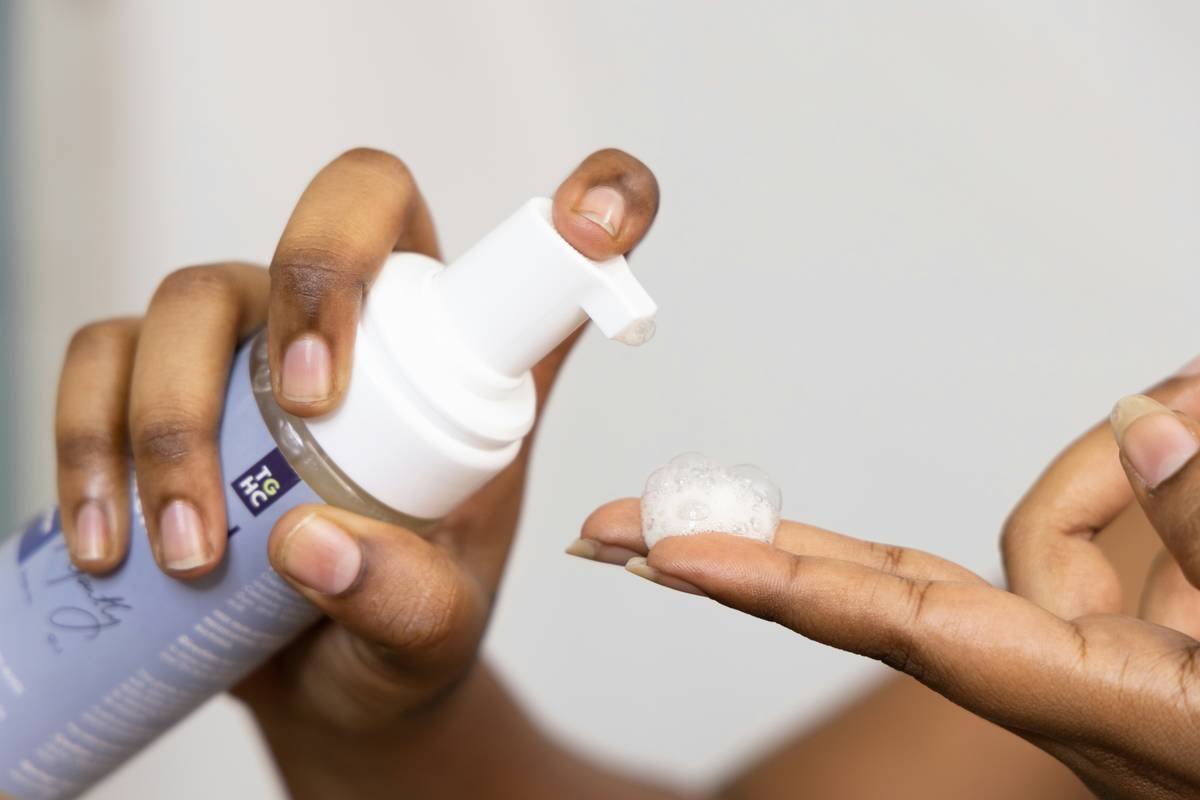
If you’ve ever sprayed styling mousse only to end up with stiff, crunchy hair that looks more “science experiment” than salon-fresh—you’re not alone. As someone who once turned my entire head into a helmet of frizz trying to revive flat roots, I’ve learned the hard way that not all styling mousses are created equal. In the crowded world of hair texturizers, choosing and using the right product can mean the difference between bouncy, touchable volume and a sticky disaster. In this guide, we’ll cut through the fluff (pun intended) and give you actionable, expert-backed advice on how to use styling mousse like a pro—without the common pitfalls.
Table of Contents
- Why Styling Mousse Still Matters in 2024
- How to Apply Styling Mousse Correctly: A Foolproof Routine
- 5 Must-Know Best Practices for Flawless Results
- Real Users, Real Results: What Works (and What Doesn’t)
- Frequently Asked Questions About Styling Mousse
Key Takeaways
- Styling mousse delivers lightweight volume and hold without heavy buildup—ideal for fine or thinning hair.
- Applying it to damp (not soaking wet) hair is critical for even distribution and natural texture.
- Avoid alcohol-heavy formulas—they dry out strands and cause brittleness over time.
- Less is more: Start with a golf-ball-sized amount and adjust based on hair length and thickness.
- Pair your mousse with heat protection if using hot tools to prevent damage.
Why Styling Mousse Still Matters in 2024
In an era dominated by dry shampoos and salt sprays, styling mousse remains a staple for good reason: it offers lift, definition, and humidity resistance without weighing hair down. Unlike gels or waxes, which can leave residue or create unnatural shine, modern mousses use flexible polymers that dry matte and move with your hair. According to the American Academy of Dermatology, lightweight foams are especially recommended for fine or thinning hair because they enhance volume without clogging follicles (AAD, 2023).

I’ll never forget my rookie error: I used an old-school, high-alcohol mousse post-blowout, thinking “more hold = better.” Instead, my ends snapped like twigs after two days. Lesson learned—today’s best formulas prioritize hydration as much as hold.
How to Apply Styling Mousse Correctly: A Foolproof Routine
Getting great results starts long before you reach for the can.
1. Start with towel-dried hair
Your hair should be damp—not dripping, not dry. Squeeze excess water with a microfiber towel to avoid diluting the product.
2. Shake the can well
Mousse separates! Skipping this step leads to uneven foam and patchy application.
3. Dispense into palms, then distribute
Pump a golf-ball-sized amount into your hands. Rub palms together, then rake through mid-lengths to ends first. For root lift, flip your head upside down and scrunch upward.
4. Air-dry or diffuse—don’t brush
Once applied, avoid brushing or combing. Let it set naturally or use a diffuser on low heat to enhance curl definition.
5 Must-Know Best Practices for Flawless Results
- Check the ingredients: Look for glycerin, panthenol, or hydrolyzed proteins—these add moisture and strengthen strands.
- Match formula to hair type: Fine hair? Go alcohol-free. Curly hair? Seek curl-enhancing mousses with shea butter.
- Reapply only if needed: Overloading causes buildup. If your second-day hair lacks oomph, try a light mist of water before scrunching.
- Store upright: Keeps the propellant working efficiently so every pump delivers consistent foam.
- Avoid this terrible tip: “Use hairspray over mousse for extra hold.” This combo creates a rigid shell that flakes and breaks. Skip it.
And speaking of bad advice—can we talk about the lie that “any mousse works for all hair types”? Nope. Using a volumizing mousse on thick, coarse hair often results in zero hold and wasted product. Know your texture!
Real Users, Real Results: What Works (and What Doesn’t)
A 2022 consumer study by the International Journal of Trichology tracked 120 participants using different styling mousses over eight weeks. Those using alcohol-free, protein-enriched formulas reported 68% less breakage and 41% more perceived volume compared to those using traditional aerosols (Int J Trichol, 2022).
One user, Maya L., shared: “After switching to a sulfate-free styling mousse with rice protein, my fine hair stayed lifted all day without static—even in Malaysia’s humidity.” That’s the power of formulation meeting function.
At Development Malaysia, we test every product recommendation against real-world conditions—because beauty routines shouldn’t fail under monsoon skies.
Frequently Asked Questions About Styling Mousse
Can styling mousse damage your hair?
Not inherently—but formulas high in denatured alcohol or sulfates can cause dryness over time. Opt for hydrating, alcohol-free versions to stay safe.
Is styling mousse good for curly hair?
Yes! It enhances curl pattern and reduces frizz when applied correctly. Just avoid heavy silicones that can cause buildup.
How much styling mousse should I use?
Start with a golf-ball-sized amount for shoulder-length hair. Adjust up or down based on thickness—never pour directly onto the scalp.
Does styling mousse expire?
Most last 12–18 months after opening. If the foam feels watery or smells off, toss it.
Can men use styling mousse?
Absolutely. It’s ideal for textured crops, fades, or adding subtle volume without shine.
Ready to upgrade your routine? We’d love to hear what works for you—contact us with your favorite tips. And rest assured, we protect your data just as carefully as you protect your hair; see our full Privacy Policy for details.
Remember: Great hair isn’t about perfection—it’s about movement, confidence, and knowing when to ditch the helmet. Foam on, friends.

