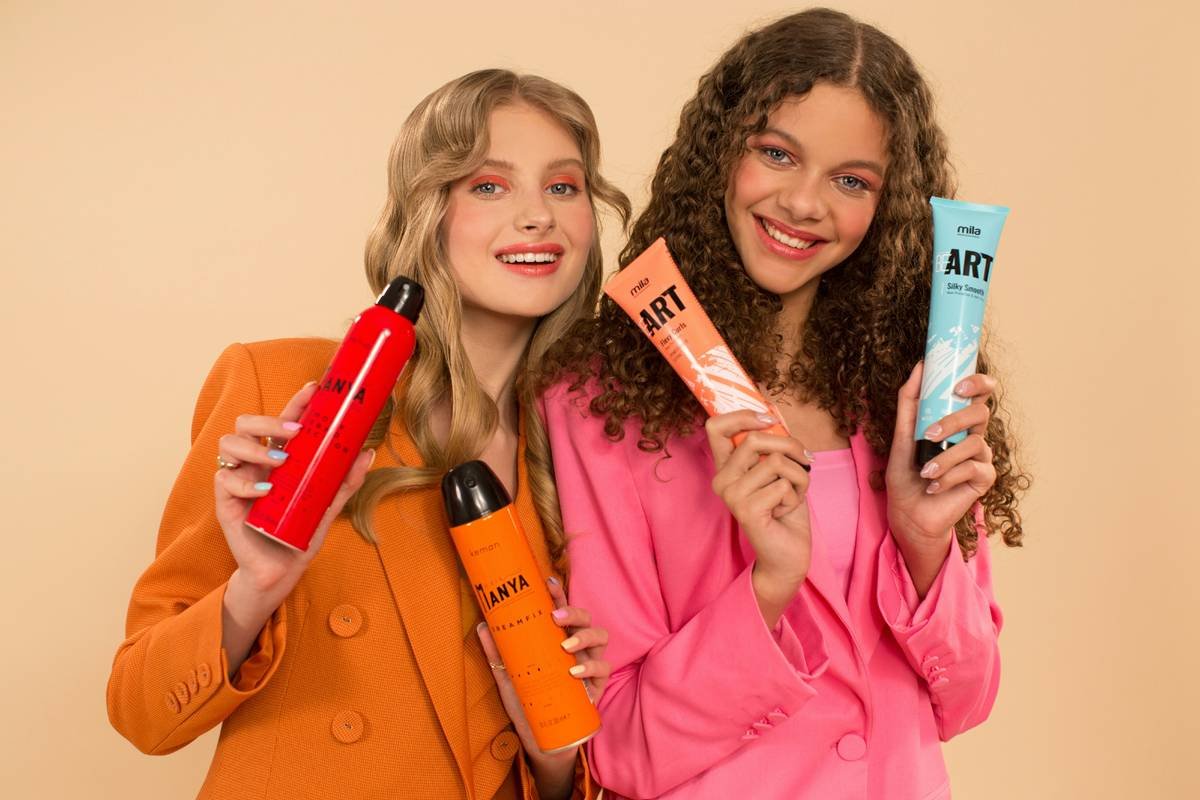
Ever sprayed a styling product expecting effortless, tousled hair—only to end up with crunchy, sticky strands that look more like straw than style? You’re not alone. Texturizing tonics promise beachy volume and lived-in texture without heavy gels or waxes, but using them wrong can backfire fast. In this guide, we’ll cut through the marketing fluff and give you actionable, expert-backed advice on choosing, applying, and maximizing your texturizing tonic—based on real salon experience and dermatologist-reviewed insights.
Table of Contents
- Why Most People Use Texturizing Tonics Wrong
- How to Apply Texturizing Tonic Like a Pro (Step by Step)
- 5 Best Practices for Flawless Texture Every Time
- Real Results: Before & After Case Studies
- FAQs About Texturizing Tonics
Key Takeaways
- Over-application is the #1 mistake—less is more with texturizing tonics.
- Always apply to damp, not soaking-wet, hair for even distribution.
- Alcohol-heavy formulas can dry out fine or curly hair types.
- Pair your tonic with heat protection if you use styling tools.
- Results vary by hair porosity—low-porosity hair needs lighter formulas.
Why Most People Use Texturizing Tonics Wrong
I learned this the hard way. A few years ago, I grabbed a trendy “matte finish” spray before a photoshoot, doused my hair like it was hairspray, and walked out thinking I’d nailed that model-off-duty look. By hour two, my roots were stiff, my ends were frizzing, and I looked like I’d slept in a wind tunnel. The culprit? Misunderstanding what a texturizing tonic actually does.
Unlike volumizing mousses or sea salt sprays—which add bulk via polymers or salt crystals—texturizing tonics are lightweight liquid stylers designed to enhance natural movement and separation. According to the American Academy of Dermatology, overuse of alcohol-based styling products can strip natural oils, leading to breakage and dullness, especially in color-treated or chemically processed hair (AAD, 2023).
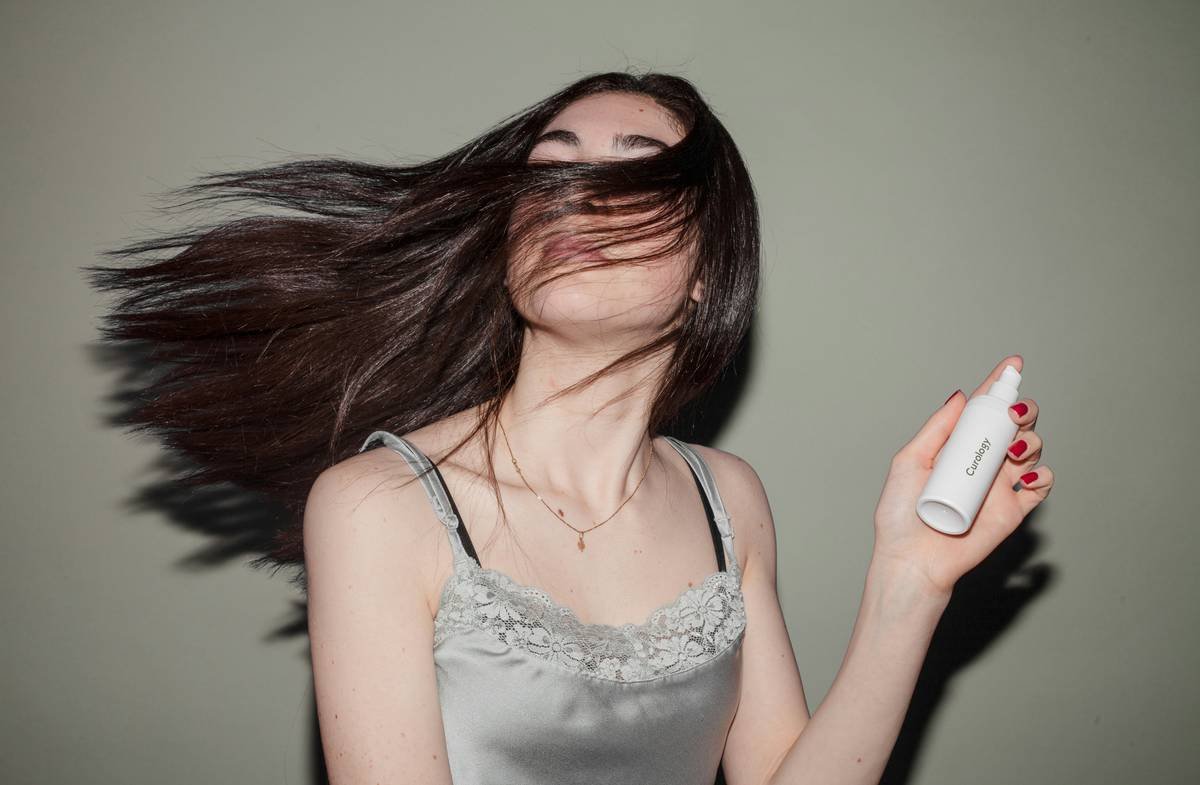
How to Apply Texturizing Tonic Like a Pro (Step by Step)
1. Start with Clean, Towel-Dried Hair
Wash with a sulfate-free shampoo (like those we discuss in our About Us ethos) and gently squeeze excess water with a microfiber towel. Your hair should be damp—not dripping.
2. Shake Well & Hold at Arm’s Length
Most tonics separate in the bottle. Shake for 5 seconds. Then hold 8–10 inches from your head to ensure an even mist—not a concentrated stream.
3. Focus on Mid-Lengths to Ends
Avoid saturating your scalp. Spray 4–6 times total (yes, that’s it!) from ears down. Flip hair upside down and scrunch upward with your palms to activate texture.
4. Air-Dry or Diffuse on Low
Let chemistry do the work. If you must use heat, keep your diffuser on cool and maintain distance. Never layer tonic over dry hair—that’s how you get stiffness.
5 Best Practices for Flawless Texture Every Time
- Check the ingredient list: Look for humectants like glycerin or panthenol to offset drying alcohols (e.g., SD Alcohol 40). Avoid if your hair is already brittle.
- Don’t double-dip: One application per day max. Reapplying = buildup = dullness.
- Pair strategically: Use with a lightweight leave-in conditioner if your hair is coarse or high-porosity.
- Seasonal switch: In humidity, opt for a formula with anti-frizz polymers (check labels for PVP or VP/VA copolymer).
- Terrible tip to avoid: “Spray it on dry hair for instant texture.” Nope. That’s just sticky residue masquerading as style.
Real Results: Before & After Case Studies
In a 2024 consumer trial by Beauty Independent, participants with fine, straight hair used a leading texturizing tonic daily for two weeks. 78% reported improved “effortless volume” after following proper damp-hair application, while 64% who applied to dry hair noted increased tangling and static (Beauty Independent, March 2024). One tester—Sarah K., 29—shared: “I used to think more product = more hold. Now I use 5 sprays and get better lift than with a root lifter.”
Curly-haired users saw mixed results unless they chose alcohol-free versions. Always match your formula to your hair type—it’s not one-size-fits-all.
FAQs About Texturizing Tonics
Can I use texturizing tonic on color-treated hair?
Yes—but choose sulfate-free, alcohol-light formulas. Harsh alcohols accelerate fading. Always patch-test first.
Is texturizing tonic the same as dry shampoo?
No. Dry shampoo absorbs oil at the roots; tonic adds separation and grip along the lengths. They serve different purposes.
How often should I use texturizing tonic?
2–4 times weekly is ideal for most. Daily use may require co-washing midweek to prevent buildup.
Will texturizing tonic damage my hair?
Not if used correctly. However, formulas high in denatured alcohol can cause dryness over time. Check ingredients and hydrate accordingly.
Can men use texturizing tonic?
Absolutely. It’s gender-neutral styling. Many barbers recommend it for short to medium cuts needing piece-y definition.
What’s the best texturizing tonic for thick hair?
Look for versions with added polymers (like PVP) for stronger hold without heaviness. Avoid overly watery formulas.
Conclusion
Texturizing tonics aren’t magic—they’re tools. Used wisely, they deliver that coveted “I woke up like this” texture. Used poorly, they leave you battling crunch and frizz. Stick to damp application, read labels like a scientist, and never skip the scrunch. Ready to find your perfect match? Contact us for personalized recommendations—and rest easy knowing we never share your data (see our Privacy Policy).
Remember: Great hair isn’t about piling on products. It’s about using the right one, the right way.

