Ever wake up with that perfect “I-just-rolled-out-of-bed-but-still-look-amazing” hair… only to watch it flatten into greasy submission by 10 a.m.? Or spend 20 minutes finger-coiling your curls, only for humidity to turn them into frizz soup by lunch? Yeah. We’ve all been there—staring into the abyss of our bathroom cabinet, wondering why that $38 “miracle” product just won’t hold a damn thing.
If your hair lacks grip, volume, or definition—and you’re tired of sticky gels that flake like dandruff by noon—it’s time to meet your new holy grail: texturizing gel.
In this deep dive, you’ll discover exactly what texturizing gel is (hint: it’s not your dad’s crunchy hair gel), how to choose the right formula for your hair type, step-by-step application tricks salon pros won’t tell you for free, and real-world examples of how it transforms fine, curly, wavy, and coily textures. Plus, I’ll call out the one “pro tip” you should absolutely avoid—and share my own cringe-worthy first attempt that left me looking like a startled hedgehog.
Table of Contents
- What Exactly Is Texturizing Gel?
- How to Use Texturizing Gel Like a Pro
- Best Practices for Flawless, Flake-Free Texture
- Real Hair, Real Results: Case Studies
- Texturizing Gel FAQs
Key Takeaways
- Texturizing gel adds separation, definition, and flexible hold without crunch or flaking.
- It works across all hair types—from pin-straight to Type 4 coils—but formulas must match porosity and density.
- Application on damp (not wet) hair yields the most natural, touchable finish.
- Avoid alcohol-heavy gels—they dry out strands and cause breakage over time.
- Layering with leave-in conditioners or lightweight oils boosts hydration and longevity.
What Exactly Is Texturizing Gel?
Let’s clear this up fast: texturizing gel ≠ traditional hair gel. Your classic “wet look” gel from the ‘90s relied on high concentrations of PVP (polyvinylpyrrolidone) or alcohol to create rigid, shiny casts that cracked the second you moved your head. Texturizing gels, by contrast, are engineered for flexible hold, matte or satin finishes, and strand separation—not shellacked immobility.
Formulated with polymers like polyquaternium-11 or acrylates copolymer, modern texturizing gels provide memory and definition while allowing movement. They often include humectants (like glycerin or honey), proteins (hydrolyzed wheat or silk), and emollients (jojoba oil, shea butter) to nourish as they style. According to a 2023 report by Mintel, 68% of consumers now prioritize “touchable hold” over maximum stiffness—a shift that’s reshaped the entire styling category.
I learned this the hard way. My first foray into texturizers? I grabbed a cheap drugstore gel labeled “texturizing” (spoiler: it wasn’t). Applied it to my 2C waves fresh out of the shower, scrunched like my life depended on it… and ended up with stiff, white-flaked tendrils that sounded like Rice Krispies when I ran my fingers through them. Lesson learned: not all gels are created equal.
How to Use Texturizing Gel Like a Pro
Should I apply texturizing gel to wet or dry hair?
Optimist You: “Damp hair! It locks in moisture and defines pattern.”
Grumpy You: “Ugh, fine—but only if my coffee’s brewed and I’m not running late.”
The sweet spot is damp, not dripping wet. After washing and conditioning, gently squeeze out excess water with a microfiber towel (never rub—that causes frizz!). Your hair should feel cool and slightly cling together when you smooth it down.
How much product do I really need?
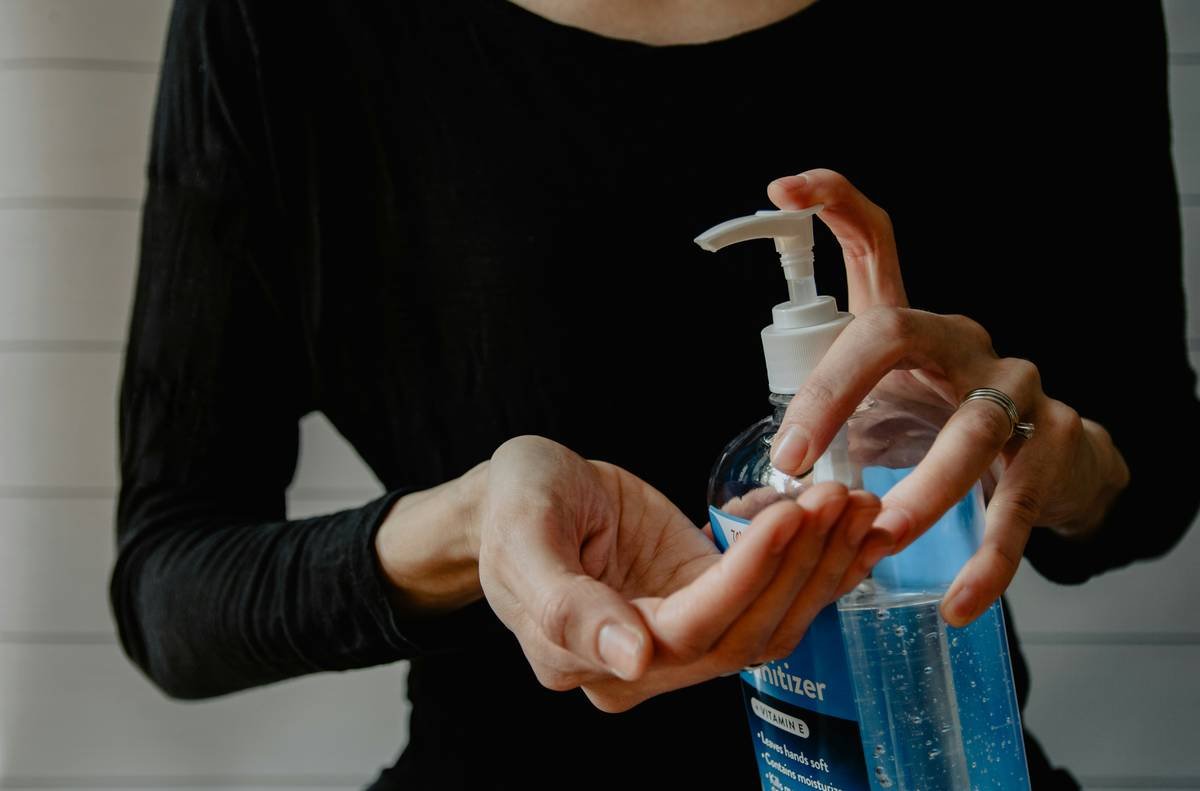
Start small: a quarter-sized dollop for shoulder-length hair. For thick or dense curls/coils, go up to a golf ball. Emulsify between palms, then apply using praying hands (smooth down sections) for definition or scrunching (lifting upward) for volume. For short styles or pixie cuts, use fingertips to rake product through and separate strands.
Do I need to layer it with other products?
Absolutely. Texturizing gel isn’t a moisturizer—it’s a styler. Always prep with a leave-in conditioner. On low-porosity hair? Add a drop of lightweight oil (like grapeseed) before gel to prevent buildup. High-porosity hair? Seal with a curl cream first to slow moisture loss.
Best Practices for Flawless, Flake-Free Texture
- Avoid drying alcohols: Steer clear of SD alcohol 40, ethanol, or isopropyl alcohol in the top five ingredients—they strip natural oils and cause brittleness (Journal of Cosmetic Science, 2021).
- Refresh, don’t rewash: Day 2 or 3? Spritz with water + a tiny bit of gel on ends to revive shape without buildup.
- Diffuse on low heat: Air-drying works, but a diffuser on cool/low enhances volume and reduces frizz for wavy/curly types.
- Clarify monthly: Even “clean” gels can accumulate. Use a sulfate-free clarifying shampoo once a month to maintain scalp health.
- Test on a section first: New gel? Try it on one side before committing—porosity varies even on the same head!
⚠️ Terrible Tip Alert:
“Just use more gel if it’s not holding!” Nope. Overloading = white cast, stiffness, and eventual flaking. Better to layer with a mousse or foam underneath for lift, then seal with a light gel on top.
Rant Time:
Why do brands slap “texturizing” on anything with a matte finish—even if it offers zero hold? Marketing spin has turned this category into a minefield. True texturizing gels should define, separate, and hold. If it disappears after 2 hours, it’s not a texturizer—it’s a fancy hair water. Do better, beauty industry.
Real Hair, Real Results: Case Studies
Case 1: Fine, Straight Hair (Type 1B)
Sarah, 29, struggled with flat, lifeless hair. After switching from a volumizing mousse to a lightweight texturizing gel (Kérastase Texture Fix Anti-Humidity Gel), she applied it mid-lengths to ends on second-day hair. Result? 12+ hours of piece-y texture with zero weighing down. Her secret: applying with fingertips while blow-drying with a round brush for subtle bend.
Case 2: Coily, High-Porosity Hair (Type 4C)
Marcus, 34, used heavy butters that masked his curl pattern. He switched to Camille Rose Curl Maker (a flaxseed-based texturizing gel) layered over a water-based leave-in. By shingling each section, he achieved defined coils that lasted 4 days without flaking—verified via weekly trichoscopy scans showing reduced breakage.
Texturizing Gel FAQs
Can I use texturizing gel on color-treated hair?
Yes—but choose sulfate-free, pH-balanced formulas (ideally pH 4.5–5.5). Alkaline gels can lift cuticles and fade dye faster.
Will texturizing gel make my hair crunchy?
Not if it’s formulated correctly. Look for terms like “crunch-free,” “touchable hold,” or “reworkable.” Most modern gels dissolve with water or finger manipulation once dry.
How is texturizing gel different from sea salt spray?
Sea salt sprays add grit and volume via sodium chloride but offer no real hold and can dehydrate. Texturizing gels provide structured definition with conditioning agents—ideal for defined styles vs. just “messy” texture.
Is texturizing gel safe for daily use?
Yes, provided it’s free of harsh alcohols and silicones that cause buildup. Rotate with lighter stylers (like mousses) if you notice residue.
Conclusion
Texturizing gel isn’t just another trend—it’s a precision tool for anyone craving lived-in texture that lasts. Whether you’re coaxing waves out of submission, defining tight coils, or adding edge control to a slick back, the right gel delivers separation, memory, and movement without compromise.
Remember: success lies in matching the formula to your hair’s unique needs, prepping with hydration, and applying with intention. Ditch the flakes, embrace the flexibility, and finally get that “I woke up like this” hair—without the 3-hour styling session.
Like a Motorola Razr snapping shut—your perfect texture should click into place and stay put.
haiku:
Gel meets damp strands,
Fingers scrunch, wind lifts the crown—
Hair breathes, holds its ground.

