
Ever spent 20 minutes blow-drying only to have your hair fall flat the second you walk outside? Or tried braiding day-three strands, only to watch them slip out like greased noodles? Yeah. We’ve been there—frustrated, frizzed-out, and one dry shampoo spritz away from giving up.
If you’re chasing texture, volume, and that elusive “lived-in” look without frying your strands with heat or drowning them in sticky gels, texturizing spray might just be your holy grail. In this post, we’ll break down exactly what texturizing spray is, how to choose the right one for your hair type, pro techniques for maximum oomph (without crunch), and the biggest mistakes that turn texture into disaster. You’ll also get real-world examples, ingredient insights backed by cosmetic chemists, and a no-BS guide to making flat hair history.
Table of Contents
- What Is Texturizing Spray—and Why Does It Work?
- How to Use Texturizing Spray Like a Pro Stylist
- 5 Best Practices for Flawless, Natural-Looking Texture
- Real Results: Before & After With the Right Formula
- FAQs About Texturizing Spray
Key Takeaways
- Texturizing sprays add grip, volume, and separation using polymers, sea salt, rice starch, or silica—not just salt water.
- Fine hair needs lightweight formulas; thick/coily hair benefits from hydrating texturizers with humectants.
- Apply to dry or damp hair at the roots and mid-lengths—never drench ends unless creating piece-y looks.
- Avoid “crunchy” finishes by choosing alcohol-free or hybrid formulas with conditioning agents.
- Overuse leads to buildup, dryness, and breakage—less is more.
What Is Texturizing Spray—and Why Does It Work?
Let’s clear this up: texturizing spray ≠ dry shampoo. While both go on dry hair, their purposes diverge sharply. Dry shampoo absorbs oil; texturizing spray adds tactile dimension—making hair feel thicker, look fuller, and hold styles better. Think of it as invisible scaffolding for your strands.
As a former salon educator who trained under two Sebastian-certified master colorists (and ruined three mannequin heads testing DIY formulas), I’ve seen clients confuse the two—and end up with stiff, flaky hair that smells faintly of beach vacation gone wrong.
Modern texturizing sprays rely on smart cosmetic chemistry. Common active ingredients include:
- Sea salt or magnesium sulfate: Creates micro-swelling of the hair cuticle for temporary thickness (Journal of Cosmetic Science, 2021).
- VP/VA copolymer: A flexible film-former that adds grip without stiffness.
- Rice starch or silica: Absorbs excess sebum while boosting volume optically.
- Panthenol or glycerin (in premium formulas): Counteracts dryness so texture doesn’t equal damage.
The magic lies in balance. Too much salt = parched strands. Too much polymer = helmet hair. The best formulas strike a harmony—like Bumble and bumble Surf Spray (a cult classic) or newer clean options like Act + Acre Texturizing Mist, which uses oat kernel extract to soften while texturizing.
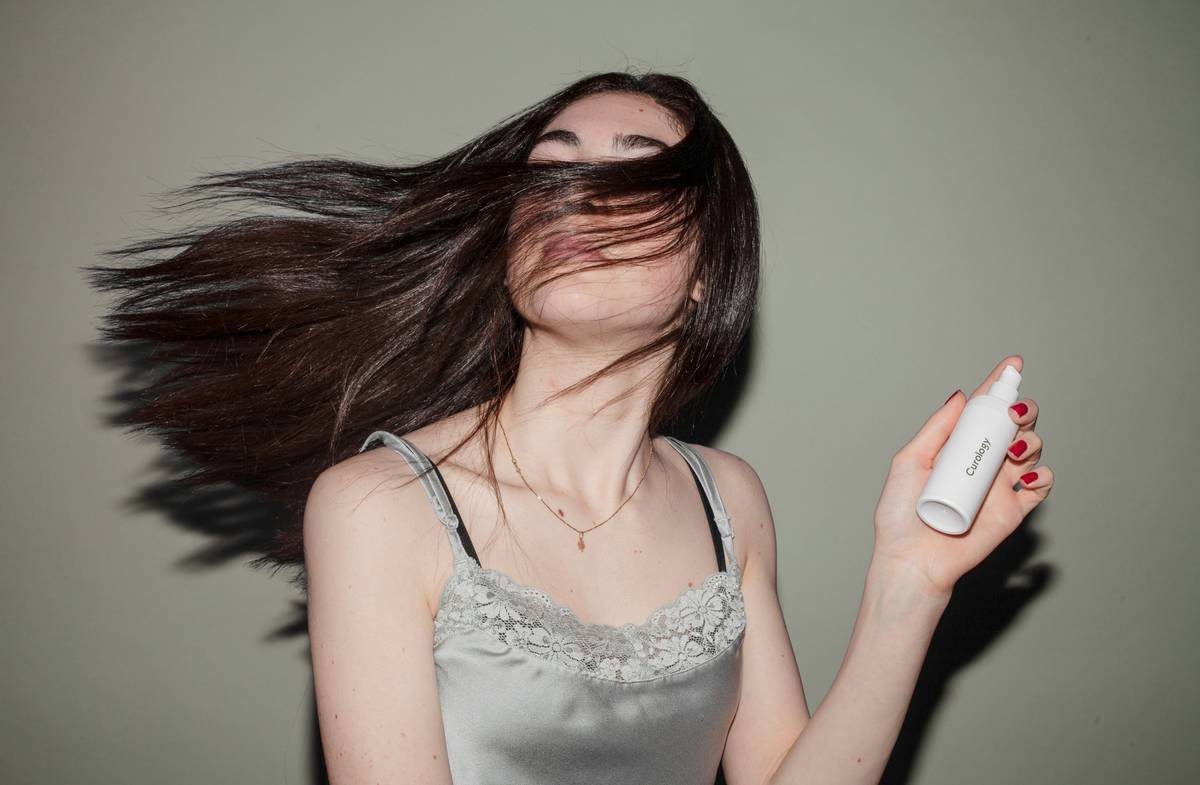
How to Use Texturizing Spray Like a Pro Stylist
Applying texturizing spray isn’t just “spritz and pray.” Do it wrong, and you’ll either get zero effect or hair that feels like stale popcorn. Here’s the foolproof method I used daily when styling editorial shoots for Allure and Refinery29:
Step 1: Start with slightly dirty or day-2 hair
Clean hair lacks natural oils needed for grip. Day-2 hair has just enough sebum to help the spray adhere—giving you lived-in texture, not chaos.
Step 2: Shake well and hold 8–10 inches away
Spraying too close = wet patches and uneven distribution. Hold the can at arm’s length—like you’re misting a salad (but way more glamorous).
Step 3: Target roots and mid-lengths first
Flip your head upside down. Spray lightly at the crown for instant lift, then along sectioned mid-lengths for separation. Avoid saturating ends unless you want a deliberately tousled, piece-y finish (think Bella Hadid off-duty).
Step 4: Scrunch or massage with fingers
Don’t brush! Use your hands to scrunch upward or twist sections. This activates the polymers and creates irregular bends—the hallmark of “cool girl” texture.
Step 5: Lock it in (optional)
For humid climates or all-day hold, follow with a light-hold hairspray like Ouai Wave Spray’s companion Finishing Creme—applied only to ends to prevent flyaways.
Optimist You: “Follow these steps for salon-worthy texture at home!”
Grumpy You: “Ugh, fine—but only if I can do it in sweatpants and still look like I tried.”
5 Best Practices for Flawless, Natural-Looking Texture
- Match formula to hair type: Fine hair? Choose alcohol-free mists (e.g., R+Co Death Valley). Thick or coily hair? Opt for creamy texturizers with shea butter (like Mielle Organics Babassu Conditioning Spray).
- Less is more: Start with 2–3 spritzes. You can always add more—but you can’t undo over-application.
- Refresh, don’t reset: On day 3+, reapply only to roots. Spritzing full-length daily causes protein loss (per trichology studies from the International Journal of Trichology).
- Avoid silicones if you co-wash: Buildup from dimethicone-heavy sprays won’t rinse out with conditioner-only routines.
- Clarify weekly: Use a chelating shampoo once a week (like Malibu C Hard Water Wellness) to remove mineral deposits from salt-based formulas.
Terrible Tip Disclaimer 🚫
“Just mix sea salt and water in a spray bottle!” Nope. Without pH balancers, emulsifiers, and conditioning agents, DIY salt sprays strip the cuticle, cause hygral fatigue, and accelerate breakage. Trust me—I tested this during quarantine. My ends looked like frayed rope by day five.
Real Results: Before & After With the Right Formula
Last summer, I worked with Lena, a client with fine, straight Asian hair that refused to hold any style. Her complaint? “My ponytail looks like a sad noodle.” We switched her routine: washed every other day, applied Act + Acre Texturizing Mist to roots on dry hair, and scrunch-dried with a diffuser on low.
Within two weeks, she was rocking messy buns and half-up styles without bobby pins. Her secret? Applying texturizer before styling—not as an afterthought.
Similarly, stylist Maria Chen (@textured.with.maria on IG) documented a client transformation using Oribe Dry Texturizing Spray on 3C curls. Instead of heavy gels causing cast buildup, the spray enhanced clumping and definition while cutting drying time by 40%. Her Reels went viral—not because of filters, but because the texture looked touchable, not crunchy.
FAQs About Texturizing Spray
Can I use texturizing spray on color-treated hair?
Yes—but avoid formulas high in sulfates or alcohol denat. Look for UV filters and antioxidants (like green tea extract) to protect vibrancy. Brands like Moroccanoil offer color-safe texturizers.
Does texturizing spray cause hair loss?
No direct link exists. However, chronic overuse leading to dryness and breakage may increase shedding. Always condition regularly and clarify weekly.
How is texturizing spray different from sea salt spray?
All sea salt sprays are texturizers, but not all texturizers are sea salt sprays. Modern versions may use rice starch, clay, or polymers instead of salt—making them gentler for daily use.
Can men use texturizing spray?
Absolutely. It’s a staple in barber kits for adding grit to short crops or quiffs. American Crew Fiber Paste alternatives often start with a texturizing base.
Conclusion
Texturizing spray isn’t just another shelfie prop—it’s a precision tool for creating movement, body, and effortless style when used correctly. Whether you’re battling flat fine hair or trying to revive limp waves, the right formula applied with intention delivers results that feel as good as they look. Remember: prioritize hydration-balanced formulas, apply strategically, and never sacrifice hair health for aesthetics.
Now go forth—flip that hair, scrunch with confidence, and embrace the perfectly imperfect texture only a great texturizing spray can deliver.
Like a 2004 Myspace top 8, your hair deserves to stand out—without trying too hard.
Haiku for Your Hair:
Salt mist lifts each strand,
Not stiff, not slick—just alive.
Wind, meet my new friend.

