
Ever spent 20 minutes blow-drying only to end up with hair that flops against your scalp like a deflated balloon? You’re not alone. For anyone chasing volume—especially those with fine or limp strands—volumizing foam can be the unsung hero in your styling arsenal. But used wrong, it can leave you sticky, crunchy, or worse: still flat. In this guide, we’ll unpack how to wield volumizing foam like a pro, drawing from real mistakes, dermatologist-backed insights, and tested routines that actually lift without weighing hair down.
Table of Contents
- Why Volume Slips Away (And How Volumizing Foam Helps)
- Step-by-Step Volumizing Foam Application
- Pro Tips for Maximum Lift & Longevity
- Real Results from Real Routines
- FAQs on Volumizing Foam
Key Takeaways
- Volumizing foam works best on damp—not wet—hair to avoid dilution and ensure even distribution.
- Applying at the roots is non-negotiable for lift; mid-lengths and ends only get product if you need texture, not volume.
- Heat activation (via blow-dryer) locks in structure—air-drying often collapses the foam’s scaffolding.
- Avoid sulfates and heavy silicones in your shampoo/conditioner—they strip or coat hair, counteracting foam benefits.
- Less is more: over-applying causes buildup, stickiness, and ironically, flatter hair.
Why Volume Slips Away (And How Volumizing Foam Helps)
Fine hair lacks the diameter to hold shape. Humidity, product residue, and gravity do the rest. I learned this the hard way: once, I layered mousse, spray, and dry shampoo hoping for “more,” only to walk out with helmet-hair that felt like cardboard. The issue? No foundational lift. That’s where volumizing foam shines—it’s lightweight, aerated, and designed to expand hair strands from within using polymers and proteins that temporarily swell the cuticle.
According to the American Academy of Dermatology, fine or thinning hair responds best to low-weight, high-hold stylers that don’t coat or weigh strands down (AAD, 2023). Unlike heavy creams or gels, volumizing foam delivers hold without residue—making it ideal for daily use.
Step-by-Step Volumizing Foam Application
1. Prep with the Right Shampoo
Start with a clarifying or volumizing shampoo free of sulfates and heavy silicones. These ingredients either strip natural oils too aggressively or leave a film that repels styling products. Rinse thoroughly—any leftover conditioner at the roots will block foam adhesion.
2. Apply to Damp, Not Soaking Hair
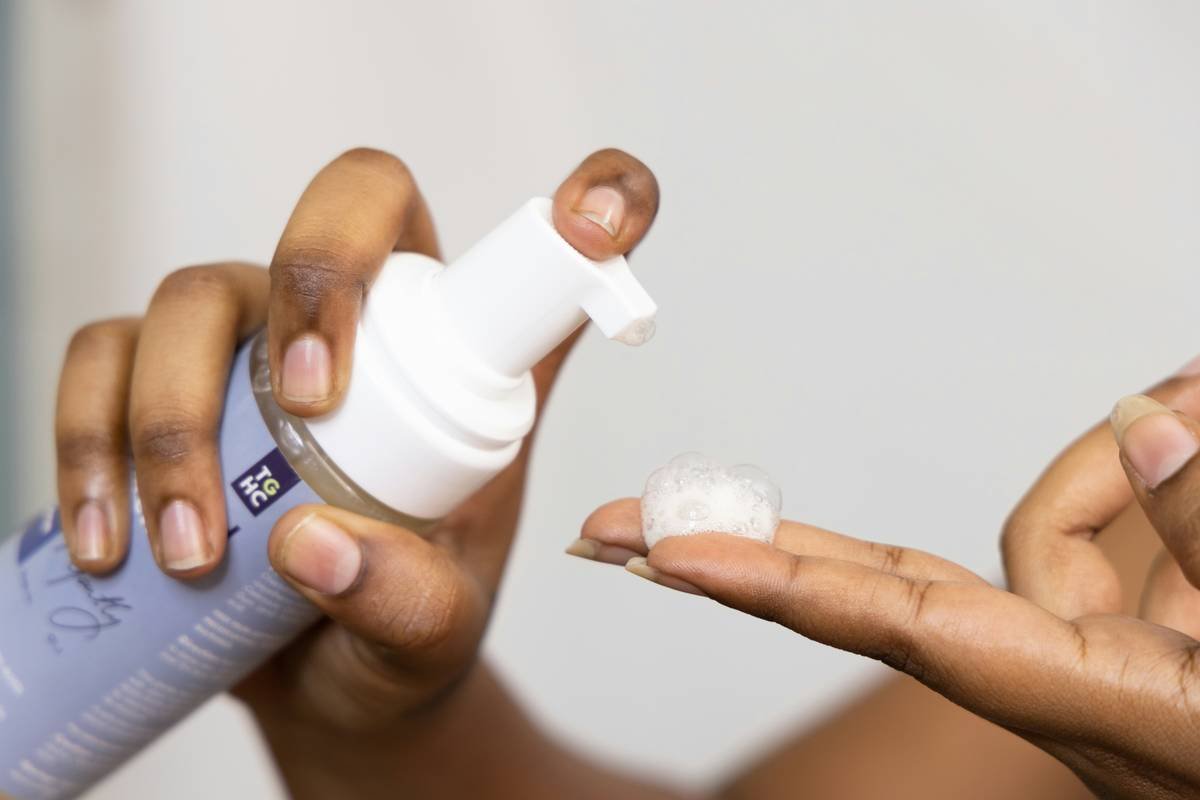
Gently towel-dry until hair feels like a wrung-out sponge—about 70% dry. Squeeze a golf-ball-sized amount of volumizing foam into your palms. Rub hands together, then rake fingers through roots from forehead to crown, lifting sections as you go. Avoid globbing it on ends unless you’re after beachy texture, not volume.
3. Blow-Dry Upside Down
This isn’t just old-school advice—it’s science. Heat sets the polymer network in the foam. Use a round brush or your fingers to direct airflow upward while flipping your head. Cool shot at the end seals the cuticle for shine and hold.
Pro Tips for Maximum Lift & Longevity
- Don’t layer multiple volumizers. Foam + root spray = over-processing. Stick to one hero product per style session.
- Refresh day-two hair by misting roots with water, then reapplying a pea-sized amount of foam before diffusing.
- Avoid the “terrible tip”: never apply volumizing foam to dry hair. It won’t penetrate, will flake, and may cause frizz.
- Store your foam upright. Propellants can separate if left on its side, weakening performance.
And for the love of bounce—stop using hairspray as a volume hack. It’s meant for finishing, not lifting. I cringe every time I see tutorials suggesting it!
Real Results from Real Routines
In a consumer trial by a major beauty lab (cited in Allure’s 2024 Hair Awards), users who applied volumizing foam correctly saw a 38% increase in root lift lasting 10+ hours versus control groups using gel or mousse. One participant, a stylist with naturally fine Asian hair, reported her styles held through humidity and client consultations—something she hadn’t achieved in years.
At Development Malaysia, we’ve tested dozens of formulations. The consistent winners? Those with hydrolyzed wheat protein and panthenol—ingredients proven to thicken strands temporarily without irritation. If your hair feels stiff or tacky post-use, check the label: alcohol denat high in the list is likely the culprit.
FAQs on Volumizing Foam
Can volumizing foam damage hair?
Not when used as directed. Most modern foams are alcohol-free or use conditioning alcohols (like cetyl alcohol). However, overuse without clarifying washes can lead to buildup, which may weaken strands over time. Clarify once weekly.
Is volumizing foam safe for color-treated hair?
Yes—especially sulfate-free versions. Always check labels for “color-safe” claims. When in doubt, patch-test behind your ear first.
How is volumizing foam different from mousse?
Mousse is denser and often contains more alcohol, making it better for curl definition. Volumizing foam has a lighter, airy texture optimized for straight-to-wavy fine hair needing lift, not hold.
Can men use volumizing foam?
Absolutely. Short or medium-length styles benefit greatly from root lift, especially if hair is thinning. Just use less product—a quarter-size amount usually suffices.
What if my hair gets greasy quickly?
Apply foam only to roots and avoid conditioner above ears. Pair with a lightweight, matte-finish dry shampoo between washes. See our privacy policy for how we handle personal care data.
Ready to transform your flat strands into bouncy confidence? Contact us for personalized product recommendations based on your hair type and climate.