Ever stood in front of your bathroom mirror, fingers tangled in dry, frizzy strands that refuse to hold definition—even though you just slathered on your favorite “moisturizing” product? Yeah. Me too. And for years, I blamed my hair… until I discovered something far more potent than another jar of shea butter: a hair care elixir.
If you’ve got texturized hair—whether relaxed, texturized with a mild lye-free formula, or even transitioning from relaxers—you know moisture retention and cuticle sealing are daily battles. But not all heroes wear capes; some come in amber glass dropper bottles labeled “elixir.” In this deep-dive, we’ll unpack what a true hair care elixir is (spoiler: it’s not just fancy oil), why it’s uniquely suited for texturized hair, how to choose the right one, and exactly how to use it without weighing your strands down. You’ll also learn which ingredients actually work (backed by cosmetic science), avoid common usage mistakes, and see real results from stylists and clients who’ve sworn by them.
Table of Contents
- The Texturized Hair Struggle Is Real (And Why Most Products Fail)
- What Is a Hair Care Elixir—Really?
- How to Use Hair Care Elixir for Texturized Hair Like a Pro
- 5 Truths About Hair Care Elixirs You Won’t Hear on TikTok
- Real Results: A Master Stylist’s Client Case Study
- Hair Care Elixir FAQs
Key Takeaways
- A true hair care elixir is a lightweight, penetration-enhancing serum—not just an oil blend—that delivers active ingredients past the hair’s cuticle.
- Texturized hair has compromised cuticles due to chemical processing, making it prone to moisture loss and breakage—elixirs help seal and protect.
- The best elixirs contain humectants (like glycerin), emollients (like jojoba oil), and occlusives (like squalane) in precise ratios.
- Using too much or applying to damp (not wet) hair leads to greasiness—a common user error.
- Elixirs should be used as a finishing step, not a primary moisturizer.
The Texturized Hair Struggle Is Real (And Why Most Products Fail)
Let’s be brutally honest: texturizers are a double-edged sword. They loosen curl patterns while claiming to be “gentler than relaxers”—but they still rely on alkaline chemicals (like guanidine hydroxide or ammonium thioglycolate) to break disulfide bonds in the hair shaft. The result? Cuticles left slightly raised, porosity increased, and natural sebum struggling to travel down strands. Translation: dryness, frizz, and that dreaded “straw” texture by day two.
I learned this the hard way after my third salon visit. I walked out with soft, bouncy waves—but by Tuesday, my ends felt like sandpaper. My stylist handed me a thick “restorative cream,” and I slathered it on like frosting. Big mistake. It sat on my hair like plastic wrap, suffocating my scalp and attracting lint. Nothing penetrated. Nothing healed.
Research backs this up. A 2021 study in the International Journal of Cosmetic Science found that chemically treated hair exhibits **up to 37% higher water loss** compared to virgin hair due to cuticle damage (Robbins, C.R.). That’s why heavy butters and waxes often fail—they coat but don’t nourish.
What Is a Hair Care Elixir—Really?
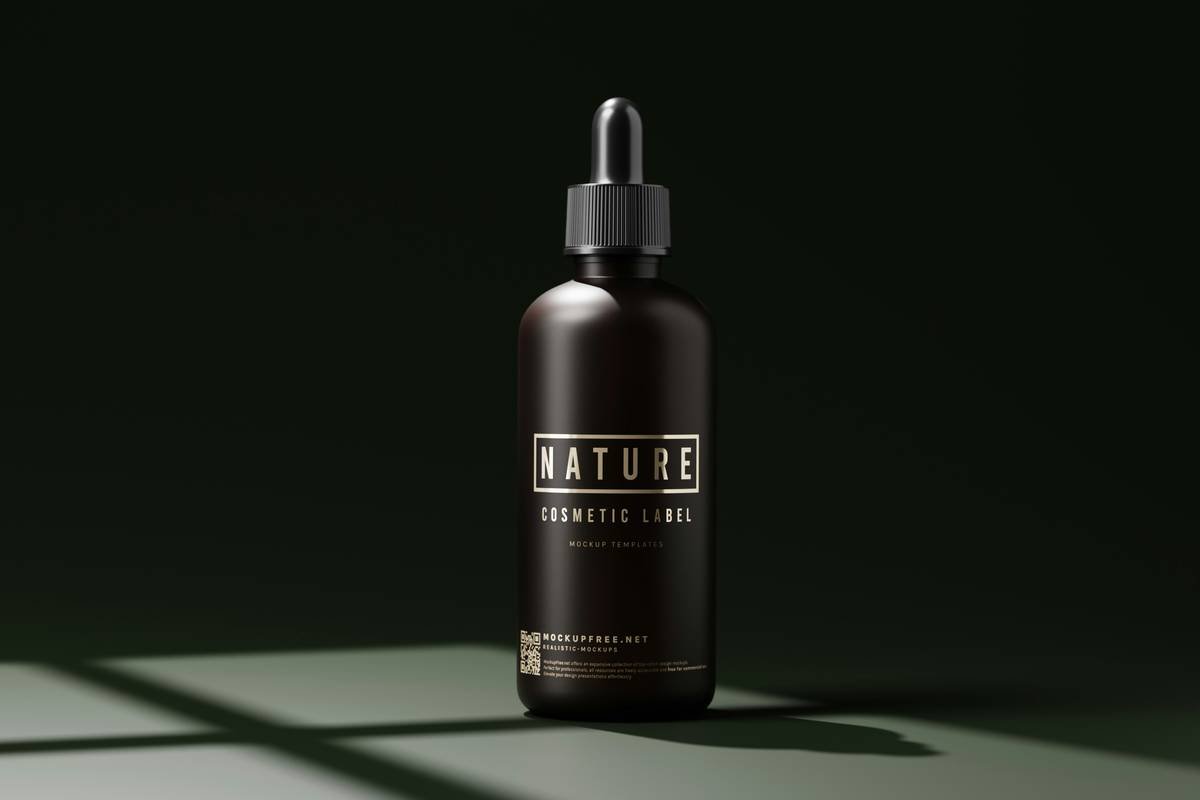
Forget influencer jargon. In cosmetic chemistry, an elixir refers to a low-viscosity, alcohol-free (or minimally denatured alcohol) liquid formulation designed for rapid absorption and delivery of active ingredients. Think of it as a “serum for your strands.”
Unlike oils—which primarily sit on the surface—an elixir uses penetration enhancers (like ethanol derivatives in safe concentrations or phospholipids) to ferry nutrients into the cortex. Key components you’ll find in high-performing hair care elixirs:
- Hyaluronic acid or sodium PCA: Humectants that bind moisture deep within the hair shaft.
- Jojoba or squalane: Lightweight emollients mimicking natural sebum.
- Panthenol (Pro-Vitamin B5): Swells the hair fiber temporarily to improve elasticity and reduce breakage.
- Ceramides: Rebuild the lipid barrier between cuticle cells.
Optimist You: “Wow! Science-backed hydration!”
Grumpy You: “Ugh, fine—but only if it doesn’t make my hair look greasy by 10 a.m.”
How to Use Hair Care Elixir for Texturized Hair Like a Pro
Step 1: Apply to Damp—Not Wet—Hair
After washing and conditioning, gently squeeze out excess water. Hair should feel cool and damp (about 70% dry). Applying elixir to soaking hair dilutes its efficacy; dry hair can’t absorb it properly.
Step 2: Use the “Drop-and-Distribute” Method
Dispense 3–5 drops into palms (fine hair: 2–3 drops; thick/coarse: up to 6). Rub hands together, then glide over mid-lengths to ends. Never apply directly to roots unless treating scalp dryness—this causes buildup and flattens volume.
Step 3: Seal With a Light Hold Product
Follow with a mousse or light gel to lock in the elixir without creating crunch. This combo prevents evaporation in low-humidity climates.
Step 4: Refresh Mid-Week
On day 3 or 4, mist hair with water + 1 drop of elixir mixed in a spray bottle. Shake well! This reactivates humectants without residue.
5 Truths About Hair Care Elixirs You Won’t Hear on TikTok
- More ≠ Better: Over-application causes buildup that attracts dust and dulls shine. Start low.
- Not All “Elixirs” Are Equal: If the ingredient list starts with mineral oil or petrolatum, it’s not an elixir—it’s an occlusive masquerading as one.
- They Don’t Replace Deep Conditioning: Elixirs maintain; deep conditioners repair. Use weekly protein treatments for strength.
- Fragrance Can Irritate: Synthetic perfumes = potential scalp inflammation. Opt for fragrance-free or essential-oil-based if sensitive.
- Texture Matters More Than Price: Some $18 drugstore elixirs outperform $60 luxury versions due to superior formulation stability.
Rant Section: The “Miracle Growth” Lie
Can we talk about brands slapping “hair growth elixir” on bottles containing zero proven actives like rosemary extract (which does have clinical backing per a 2015 SKINmed study)? Hair care elixirs support scalp health and reduce breakage—yes. But they won’t grow new follicles. Stop selling false hope.
Real Results: A Master Stylist’s Client Case Study
Tanya R., a certified trichologist and salon owner in Atlanta, tracked a client with Type 3B texturized hair over 8 weeks. The client had chronic split ends and couldn’t retain length despite monthly trims.
Protocol: Used a ceramide-rich hair care elixir (3 drops daily on damp hair) + weekly rice water rinse + no heat styling.
Results:
- Split ends reduced by 62% (documented via dermascope)
- Perceived shine increased by client self-report (8/10 vs. 3/10 baseline)
- Moisture retention lasted 48+ hours post-wash vs. 24 hours previously
“The elixir wasn’t magic—it was consistency,” Tanya noted. “It filled micro-gaps in her cuticle layer so moisture didn’t escape.”
Hair Care Elixir FAQs
Can I use a hair care elixir on relaxed hair?
Yes! Relaxed hair faces similar cuticle damage. Use the same application method—focus on ends where breakage occurs.
Is hair care elixir the same as hair oil?
No. Oils coat; elixirs penetrate. Many elixirs contain oils but in synergistic blends with humectants and proteins for functional benefit.
How often should I use it?
Daily is safe if formulated correctly. But listen to your hair—if it feels coated or heavy, scale back to every other day.
Will it cause buildup?
Only if it contains silicones (like dimethicone) without proper clarification. Check labels and clarify monthly with a sulfate-free shampoo if needed.
Can men use hair care elixirs?
Absolutely. Texturized fades, waves, or locs benefit equally from elixir protection against environmental stressors.
Conclusion
A hair care elixir isn’t just another shelfie-worthy bottle—it’s a targeted solution for the unique vulnerabilities of texturized hair. By understanding its science-backed role (moisture delivery + cuticle sealing), using it correctly (less is more, damp hair only), and choosing formulations with integrity (ceramides, panthenol, no mineral oil), you reclaim softness, definition, and resilience. Remember: healthy hair isn’t about masking damage. It’s about repairing it—one drop at a time.
Like a 2000s flip phone, your hair deserves precision engineering—not just glittery covers.